

Beneath the glitter of solar panels across deserts and rooftops lies an unsung hero: the industrial solar inverter. These workhorses of renewable energy don’t just convert sunlight - captured DC power into grid - ready AC electricity—they’re the quiet architects reshaping how the world harnesses clean energy. As nations race to cut carbon footprints, these devices are evolving at a breakneck pace, navigating a maze of technical hurdles and global rivalries while powering everything from sprawling solar power stations to nimble community grids.
Tech Breakthroughs Drive Progress
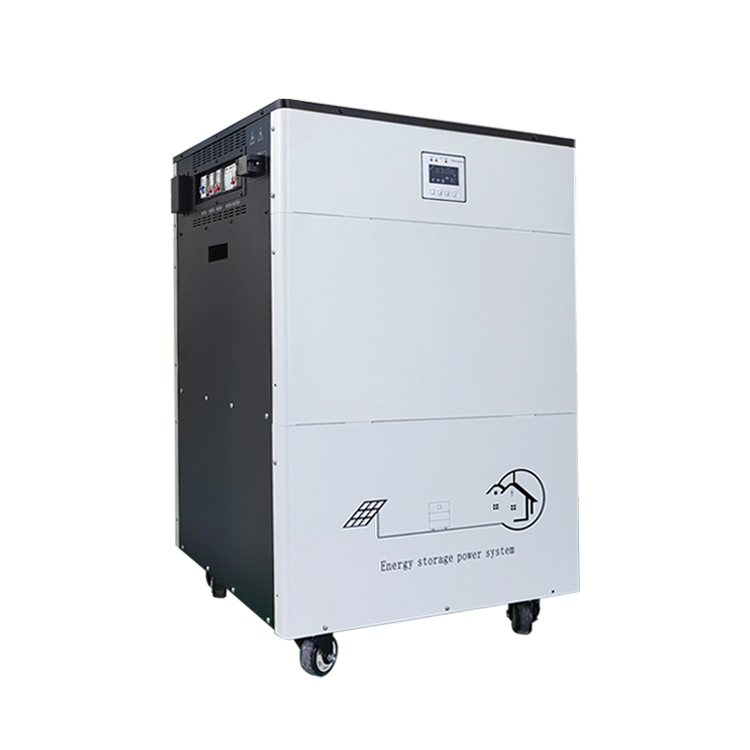
Advanced semiconductors are making waves. Silicon carbide (SiC) and gallium nitride (GaN) are replacing traditional silicon, boosting efficiency and cutting power loss. Some makers report up to 2% better system performance with SiC - based designs in inverter for pv system, lowering energy costs for solar power stations.
AI is also transforming inverters. Smart algorithms optimize power tracking by analyzing sunlight, temperature, and panel angles in real time. This adjusts settings to pull maximum power, with some models increasing energy output by 5% versus standard units, a boon for both standalone setups and hybrid inverter systems that integrate multiple energy sources.
Grid - forming inverters are another key development, alongside energy storage inverter technologies. They stabilize grids by regulating frequency and providing inertia, critical as solar use grows. In island nations relying heavily on solar, these devices, including energy storage inverter setups, prevent blackouts and keep power steady.
Competitive Market Spreads Globally
The global inverter market is fiercely contested. Chinese firms like Sungrow and Huawei dominate, holding over 70% of 2023 shipments thanks to quality, pricing, and R&D spending, with strong offerings in everything from basic inverter for pv system to advanced hybrid inverter models.
European players such as SMA Solar fight back with their reputation for reliability, focusing on products meeting strict EU grid rules, including energy storage inverter solutions tailored for regional needs. In the U.S., Enphase leads in micro - inverters, popular for homes and small businesses, while also expanding into hybrid inverter lines for broader applications.
Emerging economies are fueling growth. India's 100 GW solar target spurred demand for inverter for pv system across the country, while African nations' large - scale solar power stations and their supporting energy storage inverter setups offer new opportunities.
Rules and Policies Reshape the Industry
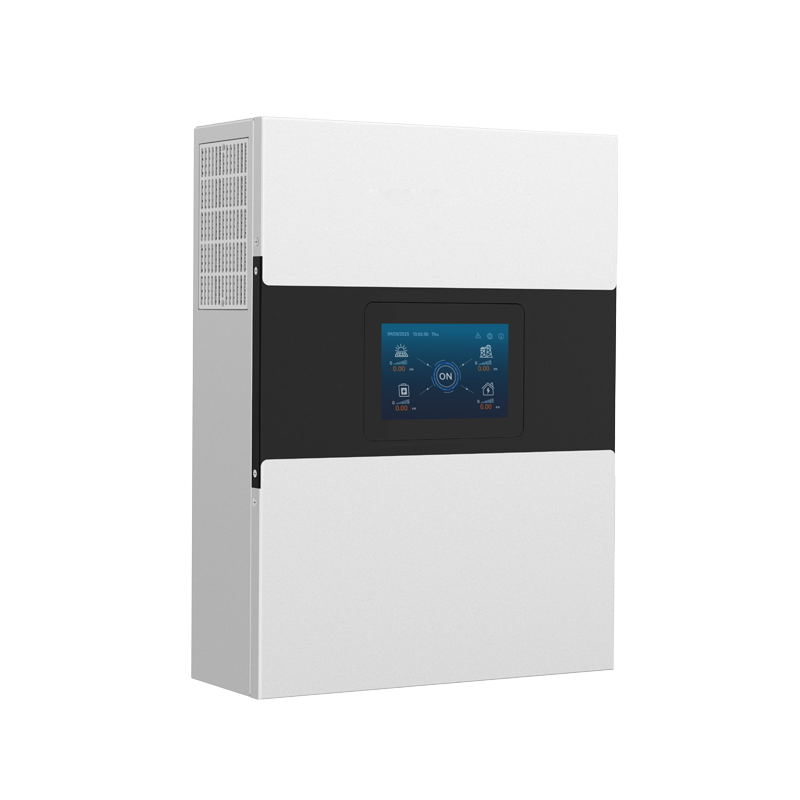
Europe's cybersecurity concerns sparked debates about restricting certain inverters, with the ESMC warning Chinese models might threaten energy sovereignty. Stricter import rules could disrupt supply chains for everything from basic inverter for pv system to high - end hybrid inverter, raising costs.
Yet pro - renewable policies drive growth. U.S. tax credits and China's 14th Five - Year Plan clean energy focus boost inverter demand worldwide, particularly for energy storage inverter and hybrid inverter technologies that support flexible energy systems.
The story of industrial solar inverters is ultimately one of human ingenuity meeting planetary urgency. These unassuming devices—whether in a solar power station, a community inverter for pv system, or a cutting - edge hybrid or energy storage inverter setup—are more than machines. They’re the bridges between sunlight and civilization, turning a star’s energy into the pulse of modern life. As the world rethinks its relationship with power, their evolution will write the next chapter of our clean energy journey.